Office relocation checklist: how to plan a move without the chaos
By the ATIS team · · 6 min read
Moving an office is a lot more than boxes and a truck. You've got people, furniture, IT, two buildings with their own rules and a business that still needs to run. The good news: most of the stress comes from a handful of things that are easy to get ahead of. Here's the checklist we walk our clients through.
1. Start with a clear scope
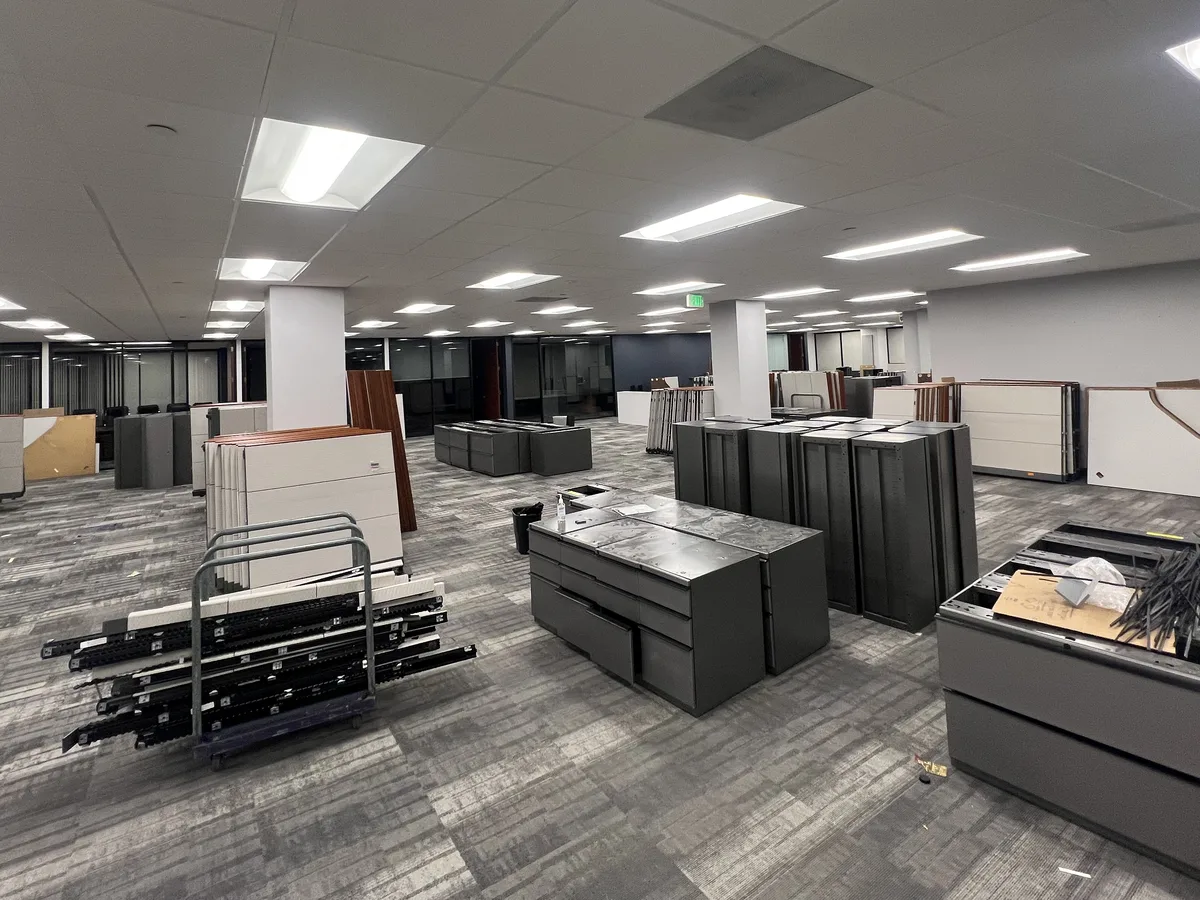
Before you call anyone, get a simple picture of what's actually moving. Walk the space and write it down:
- Workstations, private offices and conference rooms that move as-is
- Furniture you'll reconfigure, add to or replace at the new space
- Items you won't need, like extra chairs, old file cabinets or outdated equipment
- IT gear: computers, printers, phones and anything in the server or network closet
A floor plan of the new space, even a rough one, makes a huge difference. It lets your mover plan where every piece goes before anything leaves the old building.
2. Decide what not to move
Moving furniture you don't need costs you twice: once to move it and again to get rid of it later. A move is the perfect time to clear out. Unused furniture can often be liquidated or recycled, and old electronics should go through proper e-waste recycling. Sensitive paper records? Plan for secure shredding before move day, not after.
3. Get both buildings on board early
Every building has rules, and they're different at each end of the move. Ask property management at both locations about:
- Elevator reservations and padding requirements
- Loading dock hours and truck size limits
- Certificate of insurance (COI) requirements for your movers and installers
- After-hours or weekend move rules
Getting the COI sorted early avoids the classic move-day surprise of a crew stuck in the lobby.
4. Plan the IT side separately
Furniture is usually the easy part. Computers, phones and network gear need their own plan. Make sure someone owns disconnecting, labeling, moving and reconnecting every workstation, and confirm the new space has the voice and data cabling you need before people show up on Monday.
5. Label everything, then label it again
A simple labeling system tied to the new floor plan keeps things moving fast. Each box, chair and computer gets a tag that matches a spot on the plan. Your crew can place everything right the first time, and your team can find their stuff on day one.
6. Schedule around your business
Most companies can't afford to shut down for a week. Moving after hours or over a weekend keeps downtime to a minimum. Talk through the schedule with your mover early so crews, trucks and building access all line up.
7. Walk the space after the move
Once everything is in, walk the new office with your project manager. Check that furniture is set up correctly, nothing is damaged and every workstation is ready to go. Make a punch list for anything that needs a fix, and get it closed out fast.
Why one company makes this easier
A typical move can involve movers, furniture installers, IT techs, liquidators and recyclers. Juggling all of them is where things slip. With ATIS, it's one company, one point of contact, one COI and one project manager for the whole relocation, from tear-down and packing to furniture installation at the new space.
Planning a move? Tell us what you've got and we'll put together a free quote.